Episode Transcript
[00:00:00] Speaker A: A pricing window has closed. We've talked about that the last month now. But what's next? When are we going to be making big selling decisions? When will that happen this winter? That's the big question, folks. So let's get into it. Episode 104 of the what the Futures podcast coming at you right now.
Hey, folks, welcome to the what the Futures podcast, your quick guide to better farming decisions.
Alrighty, folks, welcome into episode 104 of the what the Futures podcast. Recorded each and every week in the UPL Studio. UPL Studios looking a little sad behind me here. We're still, I'm still in cleanup mode. It was a great week in Moose Jaw, but the truck is still packed. It's gonna be a week here that I have not unpacked that darn thing. So the UPL Studio, it'll get, it'll get filled up here shortly. But, you know, a big thanks, big thanks to everybody, everybody involved with the conference. I have to thank my family first and and foremost. They, they go through it with me behind the scenes. The, the highs and the lows of planning and organizing and I don't know, I guess the pressure of trying to pull off a great event. So I thank them for their support, my little ones, you know, for letting dad disappear for a good week while we're pulling this off. So a big thanks to them. Huge thanks to Yvonne and Amand pulling it all together. And for all the creative stuff. I have to go on stage, you know, when I'm at a conference, I just go on stage every hour or so and introduce the next speaker or whatever, keep the day flowing. They do all the hard stuff, the designing, the organizing, the, the creative is all them. So big thanks for their efforts as well.
It's a lot of fun, but it's also a lot behind the seats. Just a few more thank yous and then we'll, we'll continue on here. But to all of the speakers for just providing great, great context, great information, great presentations. You know, we, we kicked it off with Terry Becker again year or two from Back swath that led into Stephen Nicholson from Robo bank and, and Susan Stroud from no Bull Egg. You know, for the Wednesday. Then from there we go and we get Derek deary with 16 grains telling his story. You know, a grain farm that is putting products on the shelf. You know, pizza, pizza mix, pizza dough, cookies, flour, pancake mix, all this stuff.
And that's not easy. So thanks, Derek, for sharing. Deb Van Berkel with the CCAW with a Powerful presentation keynote to, to end the day. Yeah, absolutely phenomenal. And thanks to all the breakout speakers. Suzanne Jackson from Market Master. Dwayne from Grain Metrics.
Uh, Sarah with Trigger Grain.
Evan and Steven with Simple Hedge.
Ryan with Cows and Control.
Nathan Kuhn with with his farmer experience.
Again a big favorite. Darren with 33 7, Elena with Scotia McLeod. Hopefully I got everybody now but just a great, great effort all around and some great content of course. I want to thank the people in the room, the people that took the time to attend. I'm just making sure here. Suzanne, Sarah, Ryan, Nathan. Yeah, okay, got them all. Got everybody now. Perfect. So just a big thank you to the farmers in attendance. Just a phenomenal community here once again. It shouldn't surprise me at all but just a wonderful community of people getting together to talk through crop marketing. Crop marketing workbook, taking notes, creating action items, learning. Just phenomenal. And so it's a great time, great conversations, great hosts. Downtown Moose Jaw was unbelievable and I enjoyed every minute of it. I enjoyed kicking it off with the Lunchbox crew in the afternoon. I enjoyed having ribs at the Crush can and having a very casual evening doing a little talk there as well the whole day.
I guess I can't leave out karaoke at that at Bobby's Irish Pub. I think that was a nice way to end day one. But yeah, just, just a great. I enjoyed everything, all of it and can't wait to do it again here next year. So my, my one selfish plug here for episode 104 is you got plenty of time. But Brandon Manitoba December 1st and 2nd, 2026 tickets. 999 bucks. We have set aside just a number of tickets. There were 20ish last I checked at that price and after that it goes to 11.99. So nice little Christmas gift year end tax thing if you want. Of course our refund policy is generous because life happens. But yeah, check it out. If you want to come and hang out at in Brandon, Manitoba for Crop Marketing, meet Cool Unhinged.
You can secure your tickets now. I've been chatting and I do have a guest this week. I do have Tony with upl. We're going to talk grower rewards here in just a second.
But what I want to do here is just kind of talk over the last couple of weeks from a crop marketing perspective and paint the picture for, pardon me, the next few months. It's not going to be pretty. So we'll do that. We'll bring in Tony after that with UPL and then I'm going To wrap it up with some conference findings. Okay. And pause of moments and eating your veggies. We'll kind of wrap that up towards the end of the episode. So.
So I. We've been chatting about and what is quite normal to happen in marketing is that you get a harvest low from there. Sometimes we'll call it a harvest rally, depending on the commodity. But it's just weird how sometimes it doesn't surprise you when the rally starts and harvest isn't quite over yet. Just the way it goes. But it was a pretty, pretty normal type of setup where you get your worst of your worst, your harvest low. You find out that the crop is big but everyone gets what they need sold, the bins get filled up and then you get that recovery. You get a recovery in the futures market, you get a recovery in basis. I think the wheat market recovered. If I said a dollar, I don't think that would turn their head sharp on that one. I think that would be pretty standard. A dollar recovery from the harvest low. Even saw the canola market find some strength as well, maybe a bit more than a buck from the harvest low. But you found yourself in November with a little recovery rally, a recovery rally that we talked about on the show and that I viewed as a pricing opportunity and a chance to get cash flow needs tidied up. Now I can't hit the reverse button, I can't hit the rewind button to go back in time and help you sell.
Hopefully you did something, hopefully you did a little something and got your cash flow needs covered off. But I can't go and hit that button to back things to mid November when we found some peaks. Now on the wheat side, it's not as drastic. You know, your Minneapolis futures are what, 30 cents from the high. But also you just notice how like today was a perfect example where a G3 location, you know, hitting targets at 7:30 a bushel when just a few weeks ago that was 770. So some futures there and some basis has been pulled back as well. The canola market obviously more drastic.
But a full buck just from the stats can report to now, almost a buck and a buck and a quarter a bushel, 60 bucks a ton, 65 bucks a ton, you know, approaching a buck and a half like that's been a bit more of a severe sell off. Of course, peak around November 18 and then another one the week prior to the stats can report. Yellow piece saw a bump. Red lentil saw price gain as well to 24 cents. And then we get to the Stats can report of December 4th. Canola sells off Wheat markets have been trending lower, so on and so forth. You start looking around, prices aren't.
There's not a lot of fun out there.
So I would say that, you know, the question is now, you know, Ryan, for your next act, you know, what is the, what is the play here? And you're not going to like it. You're not going to like it because it is at a time of the year where cash flow needs are the greatest.
Cash flow needs are heavy. And I can already see it in my conversations. It's only Wednesday, but the conversations I've had each and every week, you can feel sense the urgency to generate the cash and you can feel the stress level has been cranked up. I was fortunate enough I got invited to go to hang out with Stamp Seeds for the day on December 4th. So that's two weeks ago now. And in my presentation and I kind of say this tongue in cheek, but you know, everyone had successfully locked up the bins harvest on.
And you know, I kind of said I didn't think that was going to be the greatest, the greatest strategy. I like the resiliency and I like, you know, we could get T shirts made up. Let's say lock the bins. I think that would be kind of cool. But we need to generate the money. We need to generate the money based on, on certain needs, cash flow, time frames, needs. And not everyone can keep the bins locked up. So what I'm trying to say here is for my next, my next act, you now have an environment where there are more willing sellers because those needs, cash flow needs are getting higher.
And so it gets to be a little bit frustrating here the next few months, especially when you look around like I was looking around at prices today and the only thing that jumped off the page for me with any sort of excitement was feed barley.
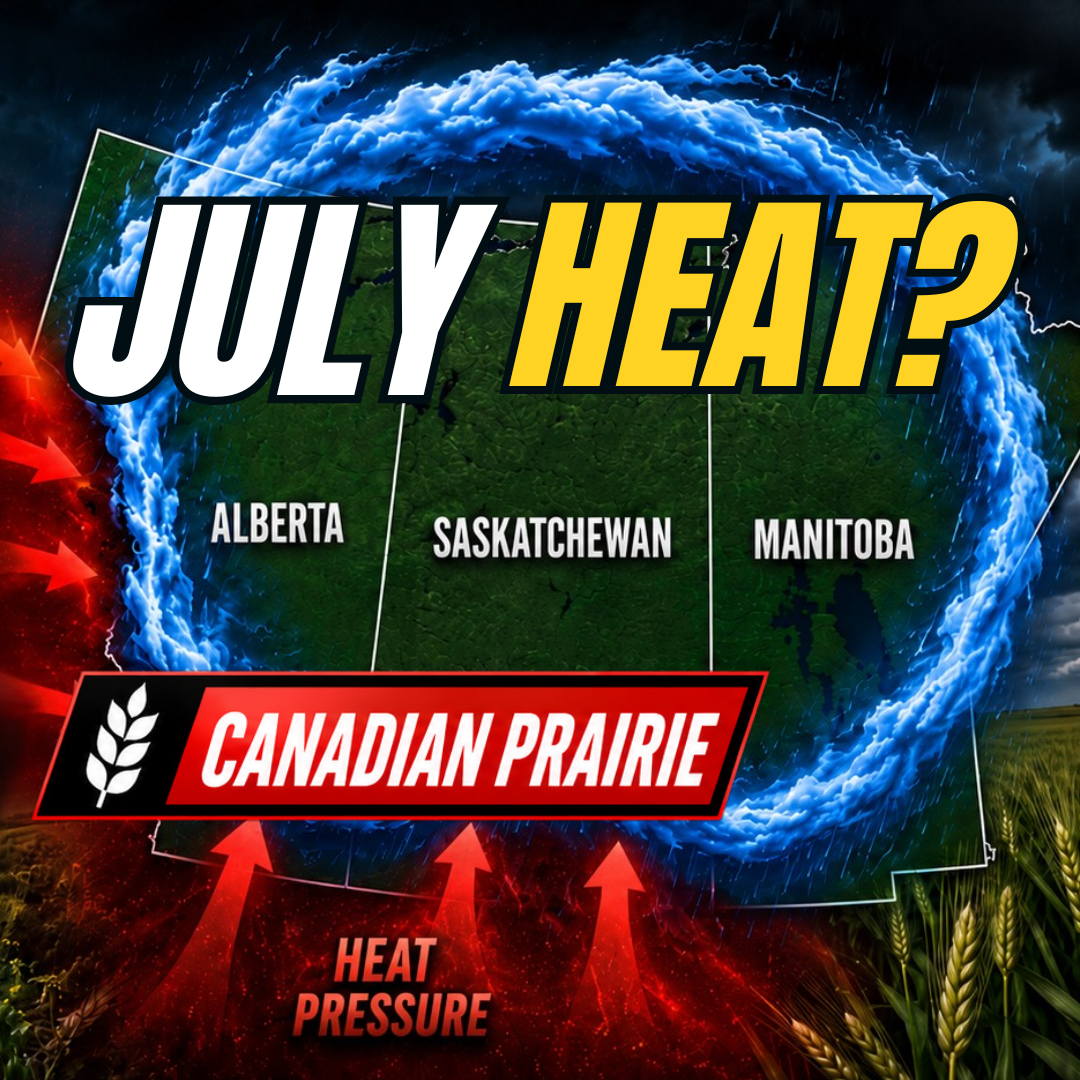
You know, feed barley trading at the same value as we were getting off combine. But it's the only one that had a movement plan and a higher price plan. I guess maybe flax for summertime that kind of picked up a bit. But nothing, there was nothing that exciting. The wheat market, there's a few of you with, with you know, quote unquote specials out there, but not really anything jumping off the page. Excitement wise. And canola was darn painful. You know, darn painful when you just look at the crush because your line company bids are just not, they're just not there. There's, there's no, no need, no demand or they have what they need in store. I, I don't know but it, it's the darkest time of the year from a, a light perspective. It can be the darkest time of the year from a crop marketing perspective. Now what I want to say here is that you can look at some charts and you can look at trends from a futures perspective. Not net price or basis included in this, but futures wise, the wheat market tends to grind sideways to lower during this time of year. And a lot of that has to do with the lack of a storyline.
You know what wheat crop in the world is being grown today with any significance from a major exporter like it gets quiet. The canola market can show better opportunity. It's not just the same type of grind lower into spring like wheat.
And there can be, and there will be announcements around us biofuel policy that could spark that thing. There could be something out of China that could spark it as well.
Could be a South American issue with beans or corn like that could move this market. But it is challenging in the months of January, February, March and that coincides with your highest cash flow needs. So what I would say here from from an advice perspective is that, you know, focus on, focus on your, your cash flow window. Number one, how many dollars do you need by what date? Get that figured out. And then when you look at pricing, you're just looking for a little, a little gain here. You're looking for a little something better than today. But don't shoot for the moon in this time frame. Don't shoot for the moon because there's lots of people behind you that are going to be willing sellers as well. But you're trying to find, maybe it's a negotiation, maybe it's picking up the phone and trying to make some type of deal. But get a sense for that in your local area and try to get something priced. Now if you want to be, if you want to be bullish. I find that if I look back at my career, I will, farmers will. Or I can reference years where, where we made some sales, had to pay FCC or whoever made some sales and then all of a sudden the market picked up and took off majority of the time that was in the spring when the markets woke up and took off. And that's pretty normal as well. And so if you want to stay bullish, by all means you can. But you're going to want to look at a strategy into the spring and into the summer that allows weather and a growing cycle to influence price direction. Don't get me wrong in some environments, buying a call option today could yield nothing. I could argue that you may want to sell calls in this environment from a strategy perspective, but anything can happen in the growing season. Anything can happen with, with geopolitical events.
It could be negative, but it could also be positive. You do see markets climb in the spring, and you do see that remorse, oh, I had to put money in the bank and I sold it for this when it's now this. There are ways to participate. I will say, though, if you want to really open up your, your flexibility again, just focusing on this winter, opening up that brokerage account and just separating out those decisions, it's really difficult. A great example this week, but let's just. This is the, the quick picture here, and then we'll get to Tony. The picture of, okay, I need to generate X amount of dollars by this date, so I need to physically have this grain gone. So if you are going to do some type of strategy with upside, with a grain elevator, you have to attach it before you deliver. You have to attach it before you haul any bushels against that contract. You have to make your bullish, bullish decision now, right?
And so what ends up happening is you end up paying for time, and you end up, you end up not being able to time when you want to buy that asset or buy that, participate in that strategy. Like, you're just forced to do it because you want to physically haul this stuff so that you can cash the check and pay the bills. So it becomes very condensed.
So, like I would say today, like, there's nothing today that tells me, except for maybe where we're sitting in the charts, but to buy this market on this Wednesday, to be aggressive and be bullish now, like, there's nothing that pulls points to me today for that. But yet if you are in the situation where you're dealing with a line company and you, you have to do it before you deliver, you may be forced to buy your bullish position now. And then what happens if Canola, heaven forbid, goes from 600 to 550? Well, now you own the darn thing at 600, and it's gone down another 50 bucks a ton. It's just, I don't want to say unnecessary, but it doesn't have to be that hard. All right, so to summarize, if you're frustrated with the situation you're in, one way to change that around is to have conversations with the professionals that can guide you in opening up that hedge account or that brokerage account to help you manage risk on your farm and allow you to make the sales, to generate cash when you need the cash, but also to execute the strategies when it makes sense to execute the strategies. Bullish or bearish.
However, it may seem that that would be my one piece of advice to me. If you want to move the grain now and stay bullish, I get it and I understand. You're stuck in one decision in a tight, narrow window, and you may just have to do it, but you're taking more risk on by doing that, you're getting into a market that may not be giving you the signals to get in at this time. All right, so tough marketing window ahead of us. The toughest of the year. It doesn't get any worse than this for me, folks.
You say, well, Ryan, even, how about moving stuff off combine?
Usually in that environment, you're getting more bushels or there's some price advantage you're trying to figure out, like moving a bunch of wheat for 750off combine. This year we're trying to sort that out. I still have no regrets on that decision. A wheat's long gone, but usually it's more bushels. It's a little. It can be stressful, but it's not as. It's not as painful. Right now is painful because right now you need to generate the money and you're in a pricing environment that. That is just brutal. Hopefully you did some stuff in November, followed some guidance there, and. And did something if you didn't. It's a tough window ahead. There are solutions out there, but you're going to have to do your homework. And if you are that pressed, if your stress level is that high and you don't have a brokerage account open, I don't understand why you wouldn't look at that. All right, now we'll bring in Tony here.
Again, I appreciate all our sponsors of the podcast and the conference, and they go hand in hand most of the time, which is great to see. But live on the UPL stage, when you see the pictures, there's something hanging.
It's gonna be. Well, my right, so your left looking at the picture in the top corner.
We're gonna pop those in the mail for the guys here for Tony, John and.
And Trent.
But they're a great group, a lot of fun.
It's grower rewards time of year where checks get cut, and I wanted to have a chat with Tony about that process and why grow rewards and just sort. Sort through that. So, again, upl, thanks for your sponsorship partnership at the Crop marketing. Make cool Conference and of course, of the show. But let's talk grower rewards with Tony from UPL.
Alrighty, folks, I've got Tony here from UPL joining me in episode 104 of the what? The Futures podcast. Tony, how's it going, man?
[00:19:13] Speaker B: It's going great. Yeah. Thanks for having me on here, Ryan.
[00:19:16] Speaker A: Well, I appreciate you jumping on this little show because the last time I saw you on camera, I believe you had like a fancy jacket on. You were behind a fancy desk and you were doing something with the sjhl. You usually have a guest with the sjhl. So I appreciate you coming on this show.
[00:19:33] Speaker B: Yeah, it's a little different here doing it in my kitchen rather than in its studio, but allows me to feel a little bit more comfortable. So, again, appreciate the opportunity.
[00:19:42] Speaker A: Farmers ask me all the time, could I come check out the studio? If I'm driving by, if I'm going down Highway 16 and I'm like, absolutely, I'll have a cold beer for you. But you will be disappointed because once you leave this wall, it's certainly not as pretty on the other side of the camera. So. All right, Tony, I want to talk grower rewards.
It's December. It's that time of year. Correct me if I'm wrong here, but don't checks go out this time of year?
[00:20:08] Speaker B: Normally, yeah. So we are, we are just in the process of releasing and issuing checks from the, the 2025 crop year. So excited to have those out this time of year because it usually means that they, they land in the grower's hands right before. Christ, before the end of the year. So it's a, it's a great time to have some additional money coming in.
[00:20:30] Speaker A: Yeah. A hundred percent. 100%. Is this, has it always been December? Like, obviously it's pretty natural with you think about the growing cycle and when you're applying these types of products and qualifying for these rebates, these rewards. But has it always been December?
[00:20:46] Speaker B: Well, we strive to get those checks out as early as possible. I mean, it all comes down to when, when the data comes in, when the information comes in and we can reconcile and make sure that we validate what's going on.
You know, so the, the earlier we have the information, the sooner we can issue those checks. But, but always aim to have it out in time for the decision making for, for next year's crop plans as well.
[00:21:09] Speaker A: Yeah. Awesome. All right, makes sense, makes sense. A little bit of Christmas cash. A little bit of cash for year end. It's always. You got the Festivities going on, but also on the farm.
Lots of decisions being made in the month of December. So that works. Nice. All right.
I wanted to ask you again. I'm a crop marketing type guy, so I'm a little bit naive. So if these, some of these questions may be basic, but like, what is the, in your, your perspective, your opinion, like, what is the most important part of this, of your. Of the UPL Grower Rewards program? Like, what should farmers know?
[00:21:43] Speaker B: I think when you look around the industry, there's a number of different grower programs out there in the market. And so when we look at specifically for the, the UPL Grower Rewards program, this is an opportunity to provide an incentive to grow, work with, you know, major organization like UPL and really for, for ourselves. What. Where I find the advantage of our program over some of our others is that just the, the, the value of the reward and the barrier to entry or the, the threshold for entry to that program is, you know, it's a high reward at a, at a very low entry point. So when you look at it, you know, if you buy 300 acres of any one of our products, you automatically qualify for a product for a reward. And, and then within that, the more you buy the.
So it's simple. Low barrier to entry and high value on the back end.
[00:22:31] Speaker A: All right, that makes sense. You talked about the barrier to entry and you talked about it being one of the more lucrative or one of the more lucrative programs out there. That is one of the reputations of this program is that it is one of the more easier ones to navigate and one of the more lucrative ones out there. How much time and energy do you spend as an organization or as yourself in your role at upl, you know, figuring this program out each and every year?
[00:23:01] Speaker B: Well, you know, for ourselves, I mean, I spend a lot of time on this. It's foundational for our organization to be able to demonstrate value and provide, you know, rebates, rewards to our customers. So we spend a lot of time on it. But on the flip side, we try to make it as clean and as simple as possible. So that's why I go back to, you know, buy one product, you get your foot in the door. If you buy more, you can earn more, keep it as simple as possible. And this year, kind of like the last, it's, we. We've kept it consistent. So those of you that, that know and understand the program, there's really been no changes year over year. And if you're new to the program, I would encourage you to take a look at it, because like I say, it's, you know, all you need is 300 acres. And yep, you can get your foot in the door. When we look at it, there's. There's been an objection over the years of these rewards reward the large farmers, and it's hard for the smaller farmers to get in and get anything on there. And that's where I say, like 300 acres. It's. You're really available to anyone?
[00:23:57] Speaker A: Yeah, yeah, you bet. All right. Looks like the. The cat is making a guest appearance in episode 104.
All right, now, I have heard the comment or read this on social media that these programs are complicated.
And sometimes, you know, the opinion is out there that they're complicated for a reason.
So that farmers miss these rebates or miss the opportunity to cash out some of these programs.
Is that the case at upf?
[00:24:24] Speaker B: I don't believe so. I mean, I live it every day, so it's easy for me to say it's simple. But when I think if you really go to the program details and look through it, you can see it's fairly simple. It's like I say, 300 acres for a product, 300 acres on a segment, and the more you buy, the more you earn. We try to simplify. We've got the sell sheets available online. We've got calculators and tools to help you understand the impacts of your decision and how those will impact your reward on the back end. So try to provide you with the tools and resources to understand it.
To the comment around, you know, we. We try to complicate it to avoid paying things out that. That couldn't be farther from the truth. For, for upl, our. My. My objective. Our objective really is to encourage any grower that could qualify. We want to ensure that you are set up to receive a payment. So the process is simple. You sign up on our. On our website, it's sign up. So if you signed up once in the past, you're. You're on there going forward.
[00:25:24] Speaker A: Yeah.
[00:25:24] Speaker B: And then like I say, the, the grower. Grower signs up the. The retails, report the data, we reconcile and send the checks.
[00:25:31] Speaker A: Awesome. So this is. Would you say that there's a few eyes on this on behalf of the grower? Maybe a little bit of retail participation, you know, UPL participation, you know, making sure that at the best of your ability, that these, these rewards are. Are paid out and distributed?
[00:25:50] Speaker B: Yeah, absolutely. And that's where, again, utilizing the tools that are there, those calculators, we can understand who's available, who has an opportunity to, to earn rebates. Over the last couple years we've actually taken initiatives through the summer months which when the, the season's more or less over. But we are out there actively signing growers up retroactively or after the fact in order to ensure that they have the proper documentation to receive the payout. So like I say, we actively take action in order to incentivize growers to participate and ensure they receive the maximum reward possible.
[00:26:26] Speaker A: Awesome. All right, sounds good. Now is the 2026 program out? You're issuing checks for 2025. When does that 2026 program roll out?
[00:26:36] Speaker B: Yeah, so the, the program date is September 1st of 2025 through August end of August of 2026.
The program details and the sell sheets, the tools, the calculators are all out already available online. So I'd say go to uplcorp upcorp.com CA you can look at the Grow Rewards program on there. The details of the program as well as a downloadable calculator that's available there. So as I said, there's no changes to the program year over year really.
So it's as simple. You can earn up to 25% on any individual product.
Varies by product, but okay, very lucrative program details available now. You can talk to your local rep, you can talk to your retails or, or check it out yourself on the website there.
[00:27:27] Speaker A: Sounds good. And anything new in this latest version? Anything kind of stand out as a, a new enhancement?
[00:27:34] Speaker B: Our portfolio we're, we're adding, we've added some new products to it. So we added Shenzi, a new, new insecticide on there. But again for the, for the most part the, the program is consistent year over year. So what really stands out is that that maximum saving potential of 25% when you look at the sign up windows or the purchase windows. Yeah, you can earn, you know, 15% on an individual product of 300 acres if purchased by our Smart Buy deadline, which is February 15th. But it is a season long program so there's rewards opportunities all the way through the growing season.
[00:28:10] Speaker A: So there is. That was going to be my next question like what are the benefits for maybe planning a little early or executing early And I think you just answered it with that February 15th deadline you said right after Valentine's Day.
[00:28:22] Speaker B: Yeah, exactly. So we called our Smart Buy window. So you know, for manufacturing organization there's value for us and having visibility to what growers needs are, what retail's needs are. And so having that early Planning allows us to have product in position more effectively. And so we try to reward growers for doing that. So, yeah, maximum savings by signing up by February 15, but that does not preclude you from receiving any opportunity for in season rebates as well if there's incremental purchases had after that deadline.
[00:28:57] Speaker A: All right, fair enough. Great stuff. And I wanted to ask this one as well.
This is going to be a weird one, but I have to ask it. Is it just UPL product or are there any other companies that you're partnered with through this Grower rewards program?
[00:29:13] Speaker B: Yeah, so we have our UPL Grow Rewards. That's kind of the foundation of our program. But if you have seen our logos in the past, and I know your viewers will have with the logo in the background, we also have the UPL Open Ag. And so the Open Ag concept is about partnership and collaboration. And so it was as recently as 2024 and we've continued our partnership with ATP Nutrition. And so we have our foundational UPL Grow rewards program. But then there's a complement to it where if you buy ATP nutrition products through their chemtrition program. So combining our products and their products, there's an incremental reward on top of your standard UPL program. So we got the UPL program where you can earn up to 25% on UPL products and then there's an incremental $2 an acre on, on ATP products if you combine the two.
[00:30:09] Speaker A: All right, is that, would you call that like a kind of rare in the, in the industry, in the space to have that type of collaboration? Is that a fair question?
[00:30:18] Speaker B: I would say it's not the norm. I think it's important that, you know, when we look at crop protection products, it's a, it's a very competitive space. So collaborating with other players and in the market is, it's not uncommon. I don't think we're the only ones out there that are doing it, but it is unique and again, it's a, it's an opportunity for added value to the grower.
[00:30:38] Speaker A: All right, sounds great. Now I have two more for you. But before we get to that, we want to leave Grower Rewards in just a second with my last two questions. But is there anything else we didn't talk about? I think we covered it all very, very well, Tony. But is there anything else that farmers need to know about the program?
[00:30:54] Speaker B: I think I'll just wrap it up and try to make it as simple as possible. But you know, buy early hit that February 15th deadline.
[00:31:02] Speaker A: Yep.
[00:31:02] Speaker B: It can be as simple as just a booking. You don't need to take the product home. Just get that booking on, on the books with your retail. And then within that, once you buy one, one product, you unlock the potential for incremental rewards. So buy early and buy more and you can earn more.
[00:31:17] Speaker A: All right, sounds good. Appreciate that. All right, One hard one for you and then one easy one. The hard one. We're going off, off the trail here a little bit, but farmers like to gain an understanding of, you know, supply chain and product availability. And I don't know if, if I'm. It's fair to ask you this question, Tony, but I want to anyway because I have you here from a product, you know, perspective, from a logistics perspective, availability perspective, how are we shaping up here for product this winter, for availability into next spring and and next summer when we're going to apply this stuff? Like how or what are the early thoughts around that?
[00:31:56] Speaker B: You know, when I look at the UPL portfolio, I think we're well positioned to take care of Western Canadian farmers needs across the board. There's a lot of noise and challenges that are out there through tariffs and product availability and everything else, and I think our team has done a fantastic job of finding a way to avoid some of those issues. Have product in place early. We got a lot of stock in Canada ready to roll now and we've got the solid supply chain ready to roll. So I have no issues or no concerns about having product ready and in place to serve Canadian farmers needs.
[00:32:29] Speaker A: All right, awesome. That's great to hear. We want calm in that space because with calm comes, I think, better pricing and better opportunity. So. All right, last one for you, Tony. You're a big hockey guy as well. SJHL standings. I'm just looking at him here, the UPL division. We've got Flynn, Flon and Nip when battling it out. I'm not sure if you're allowed to pick a favorite team or pick a favorite player or anything, but what is anything standing out to you in the SGHL season so far? We're getting towards not quite the halfway mark here, but anything kind of stand out? There's lots of good teams this year, the way it looks to me, but.
[00:33:06] Speaker B: Yeah, I think so. I'll say that the last few times I've been in studio at the SGHL have made picks and I've been incredibly wrong. So I'm not going to pick a team this year.
I'm just going to stay agnostic. But I'LL say this. What's impressive about the league is just the level, level of talent and then the parity across the board. So I'm just looking forward to seeing some really high quality hockey. And, you know, this working with the sghl, they've been a fantastic partner for us over the last few years, working in a lot of the. The same communities that we work in, that our employees work in, as well as that what our. Where our customers are. So, yeah, they've been fantastic partners. And it's, it's high quality hockey. And any grower out there, if you haven't been to a game, I strongly encourage you to go check them out.
[00:33:50] Speaker A: Awesome. Sounds good. Tony, thanks for your time this week. I know you're a busy guy. I appreciate it.
[00:33:55] Speaker B: All right, well, thanks for having me.
[00:33:56] Speaker A: Take care.
All righty, folks. We recorded that a couple weeks ago, but Tony's a. A good sport and he's a heck of a karaoke guy as well. He's got a good karaoke song that he pulls out every. Every once in a while. All right, so obviously we were talking about a tough pricing window up ahead. I, again, I don't want to be the neg here, you know, saying that the pricing environment is going to be challenging, but I also want to be, you know, realistic in where we're at for the year. This is just the situation. And of course, you got stats can that threw a whopper of a crop, a record crop for Canada into the mix as well. Okay. It's more competitive on your end as a seller now, and it gets lonely out there when the buyers, when nobody is really stepping up to own something. All right, so, well, let's spin it around here. We'll move off from that. Again, it is the end of the year. Don't beat yourself up too hard here. At this time of the year, no one can predict exactly where these things are going. Markets do go up and down, and right now they're just going down. But they will go up. They always do. So pause of moments for this week, again, how can I not put a nod out to.
To the conference attendees in Moose Jaw? Like, the whole experience, the whole thing on my end as an organizer and putting it together, just. Just phenomenal and always looking to get better, always looking to improve. But as a person, I felt just so good compared to last year. Last year was a great event, a phenomenal event, but it, it took a lot more out of me. This one, this one motivates me to how I feel coming out of it. Motivates me for the next one really great week and feel really good coming out of it.
Second, positive moment here for the week is again, lots of, you know, lots of.
It's a tough time for crop marketing right now, but I feel like. I feel like generally speaking, we're in a pretty good spot from a sales perspective. You know, maybe didn't do as much as we could have in the November rally, but did do some stuff and pardon me, by all means, feeling okay about tackling the next eight weeks and then reevaluating from there.
So that's a positive moment for me this week.
And then, of course, I don't know if you guys will get this or not or if it'll resonate, but I do feel that passion and that energy just to get the next conference completely planned out. Now, Brandon is.
It's a well on his way, but just getting that done and engaging with the farmers as well, that always comes out of these events. And so that's really, really special to just have more people to chat strategy with and to help through crop marketing. So.
Yeah. So I appreciate that. Of course I'm gonna do a little Christmas episode with the kids. Well, I guess you'll see it Christmas Eve, but I think we're gonna build another gingerbread house while we record or decorate gingerbread people, I guess is how you'd say it. Right. But I got the kids coming up here for the. For the Christmas episode, so we'll save some Christmas stuff for that. For eating your veggies this week. Work on that cash flow plan, guys. It all starts with that. You know, the handbook took a big step forward this year, as expected.
I'm sure we'll see the same thing next year. But figure out your cash flow. Start with that. How much money do you need to generate and by when?
That will help in your crop marketing decisions. It'll help in your. Your stress level or, or maybe you'll won't feel any stress once you do that exercise, but just figuring out when do you need the money.
Taking your contracts, figuring out how much they're going to generate and then seeing where your gap is. Where's the gap? When's the gap? Making a plan around that. You'll feel so much better. In fact, that's going to be eating your veggies 1, 2, and 3 this week. All right, Cash flow plan.
Figuring out your green contracts, matching those two up, and then finding out how much money do I need by what date? And let me know how, how good you feel after doing that exercise. If you need a lot of money tomorrow, the urgency will be there and the strategies will come with it. But you never know. You might surprise yourself and just ease some tension heading into the holiday season.
All right, again, big thanks to everybody for, for musha. Big thanks to. To John Deere. We did a great breakout.
Well, I shouldn't say breakout. A great break exercise with them and high energy break as we call it.
So we had a lot of fun with that playing poker.
Brett Young.
You know, if you saw any pictures of folks with canola seed bags over their shoulders, it looked like they were just picking up 50 pound bags with their pinkies. But, but they were for display and stuff with, with pillows. But Brett Young was a great partner for Wednesday night.
Yeah, shout out to the CCAW 337. Scotiabank, everyone.
Robo Bank. Great, great partners at the conference. So yeah, if you want to hit us up next year, Ryan, Denis, CA Lunchbox Crew is open. We got a couple spots if you're interested in the Lunchbox crew. If you want to talk about consulting one on one with me, happy to engage with that again. Head to the website or email me@ryanothefuturespodcast. Cat, yeah, it was a great time.
I think that's all I've got here as I'm drawing a blank as I wrap up episode 104.
But for the what the Futures podcast, my name is Ryan and I'm out of here.